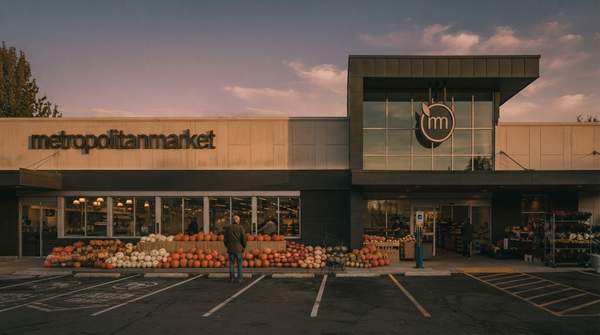
Opening a retail storefront involves more than just finding the perfect location and stocking your shelves; it requires navigating a complex web of licenses and permits from multiple levels of government. Securing the legal right to operate is not a single transaction but a multi-step process that often involves state, county, and city agencies. Understanding which government body is responsible for each type of approval is the first step toward a smooth and compliant business launch.
While specific requirements vary significantly by location and industry, the general framework is consistent. Aspiring entrepreneurs must typically secure foundational state-level registrations, such as sales tax permits, alongside local approvals like certificates of occupancy and general business licenses. For example, while the state of Maryland manages certain business licenses through its State License Bureau, Texas directs entrepreneurs to meet requirements at the local county and city level. This guide provides a general model for understanding these layers of bureaucracy, helping you create a research plan for your specific business.
Retail Business Licensing: Government Levels and Permit Types
To effectively plan your compliance strategy, it is crucial to understand which level of government typically issues the various licenses and permits your retail business will need. The process is rarely confined to a single office. State agencies often handle broad requirements like sales tax collection, while municipal or county governments focus on local zoning, safety, and operational standards. The following table outlines common retail permits and the government level typically responsible for them, based on examples from various U.S. jurisdictions.
| License or Permit Category | Typical Issuing Authority | Purpose and Scope |
|---|---|---|
| Business Entity Registration or General License | State, County, or City | This foundational license provides the legal authorization to operate a business within a specific jurisdiction. While some states, like Texas, consider business formation documents to serve this purpose, most locations, such as those in Minnesota, issue a general license at the state or local level. |
| Sales Tax Permit | State | This permit, often called a Retail License, authorizes a business to collect and remit sales tax on taxable goods and services. For instance, the South Carolina Department of Revenue issues these licenses for businesses making sales within the state. |
| Certificate of Occupancy | City or County | A Certificate of Occupancy (CO) confirms that your retail space is safe and compliant with local zoning and building codes for its intended use. Both New York City and St. Louis County require this type of permit, which is typically issued after inspections are passed. |
| Industry-Specific Licenses | State, County, or City | These are required for selling regulated products or services. For example, New York City requires special licenses for businesses that sell electronics or secondhand goods. Similarly, Maryland's Department of Labor oversees certain occupational and professional licenses. |