Local historical societies preserve a community's memory through three kinds of work: collecting and safeguarding historical materials, interpreting that record for the public, and engaging residents in keeping it all alive. Most of these organizations are small, often volunteer-run groups that operate museums, archives, and historic houses on tight budgets, according to a Perspectives on History article on the future of local historical societies published by the American Historical Association. That combination—ambitious mission, modest means—is what defines the institution, and it is also why community support matters so much.
The Core Mission of Local Historical Societies
When people picture a historical society, they often imagine a case of dusty artifacts. The reality is broader. The American Historical Association's article describes these societies as playing two roles at once: they protect and preserve the historical record, and they interpret the past to the public. That dual mandate means a society is never just a storage facility. It is a working organization that decides which stories about a town, neighborhood, or region get saved, and which get told.
The scale is important to understand. The AHA article focuses specifically on what it calls "the tiny, often volunteer-run organizations that operate museums, archives, and historic houses." These are not large state institutions or national museums. They are hyperlocal groups, frequently staffed by a handful of dedicated residents, and their work is shaped as much by who shows up to help as by any formal plan.
Preserving the Historical Record: Activities and Challenges
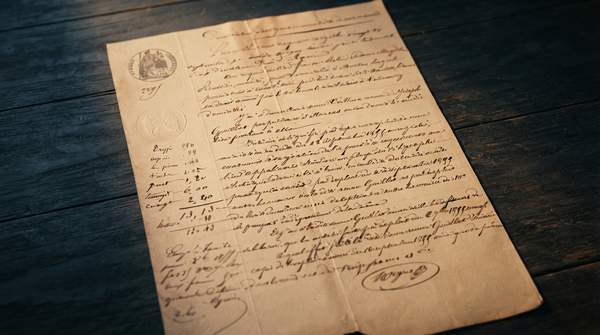
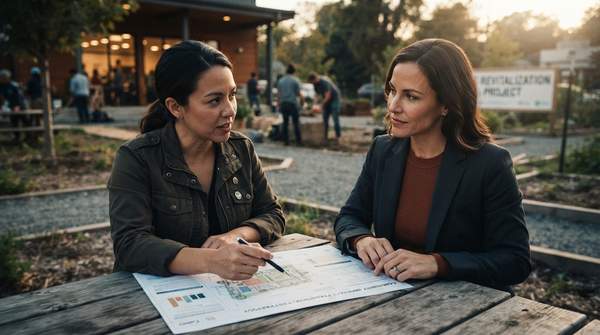
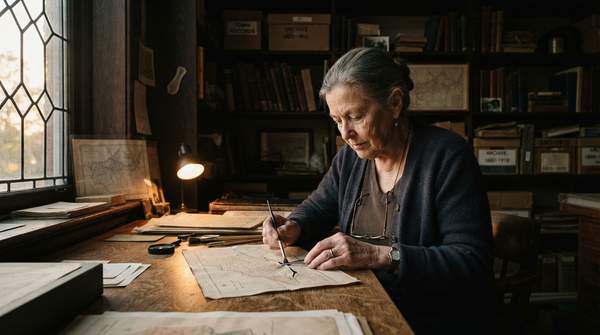
The preservation side of the mission covers a wide range of concrete activities. A community preservation guide from the University of Kansas Community Tool Box lists the kinds of work that go into documenting historic places: historical and archival research, oral-history projects, photography and documentation, community surveys and mapping, and appropriate maintenance or restoration work under qualified supervision. The same guide suggests young people can learn local history by mapping neighborhood history, photographing historic places, and studying architecture and landscapes.
Notice how much of this is active, skilled work rather than passive safekeeping. Recording an oral history, surveying a neighborhood, or photographing a building before it changes all require people, time, and some training. The guide adds an important caveat: volunteer participation should complement professional expertise where specialized construction, conservation, archeology, safety, or technical work is required. Preservation is not simply a matter of goodwill.
Support structures exist for this work. The Minnesota Historical Society, for example, runs a Local History Services program that invites local organizations to send questions by e-mail and covers areas such as collections care, interpretation, museum administration, and facilities management. But the underlying capacity of a small society still depends on its own people and resources.