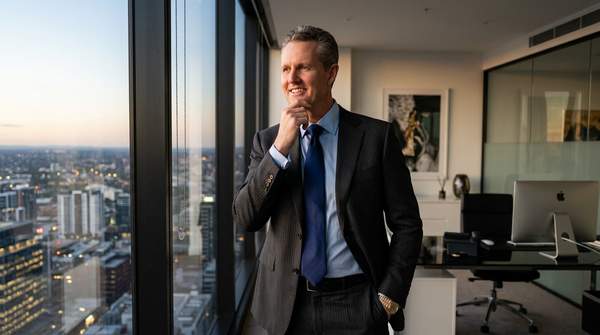
The post-2020 office is facing a crisis of purpose. For many Austin businesses, especially in the competitive tech and professional services sectors, the hum of empty cubicles is a costly reality. Return-to-office mandates have met a wall of resistance, not because people hate collaboration, but because they now demand more from the environments where they spend their time.
A staggering 77% of employees believe wellness programs positively impact workplace culture, which makes the disconnect clear: workspaces designed for yesterday are failing to attract today's talent. Strategic office design is no longer just about aesthetics; it's about business survival. Firms that get it, like Austin's own Next Level Austin, are moving beyond decoration to create environments that actively support employee well-being and, in turn, corporate goals.
What is a Wellness-Focused Office and Why Is It a Major Trend?
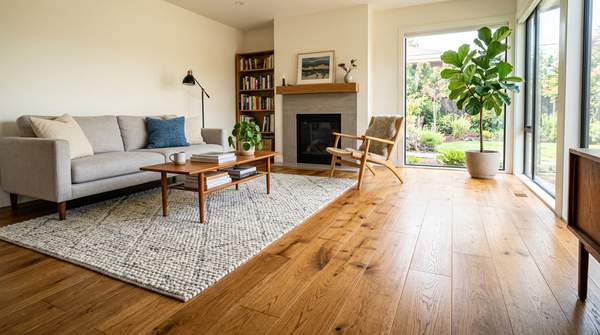
A wellness-focused office is a space intentionally designed to support the mental, physical, and emotional health of the people in it. This concept goes far beyond ergonomic chairs and a fruit bowl in the breakroom. It’s a holistic approach, weaving principles of healthy building design and nature-inspired design into the very fabric of the workspace. Data from Grand View Research shows North America is leading the adoption of these wellness-oriented spaces, a signal of a permanent market shift.
Some of the key components include:
- Arboreal Office Design: This means bringing natural elements indoors with things like living walls, abundant natural light, wood finishes, and plants. The idea is to reconnect employees with nature, which studies show can reduce stress by up to 27%.
- Dynamic Lighting: These are systems that mimic the sun's natural cycle, which can improve alertness during the day and promote better sleep at night.
- Acoustic Comfort: Using sound-masking technology and sound-absorbing materials helps reduce distracting noise and create dedicated zones for focused work.
- Multifunctional Spaces: A modern office layout should offer a variety of settings. Think collaborative lounges, quiet focus pods, and even dedicated relaxation rooms, letting employees choose the right environment for their task and mood.
The reason for this shift comes down to hard numbers. Since 91% of Gen Z employees consider wellness programs non-negotiable when job hunting, a wellness-focused office becomes a powerful tool for attracting and keeping talent. For a full-service firm like Next Level Austin, a winner of multiple Best of Houzz awards for service and design, the job is to translate these trends into a high-performing Austin office design that reflects a client's specific brand and culture.
How Does Office Design Impact Employee Productivity and Well-being?
The link between a physical workspace and how well we think is no longer just a theory. A thoughtfully designed office can boost productivity by as much as 15%. This connection works by reducing environmental stressors and providing psychological comfort. For example, poor air quality, harsh lighting, and constant noise trigger a low-level stress response that drains the mental energy needed for creative problem-solving and deep work.
On the flip side, a well-designed space directly enhances workplace well-being. Just having access to natural light can increase creativity by 15%. A firm’s success here depends on a deep, client-focused process. Next Level Austin is recognized for its "proven design savvy" in turning a client's vision into a detailed floor plan that considers circulation, acoustics, and lighting.
That's the heart of effective commercial interior design in Austin. It’s not just about how a space looks, but how it makes people feel and perform. A testimonial from West Austin Properties puts it well: "Janice and her team have excellent taste and can oversee any design project, large or small," pointing to the firm's ability to manage both the aesthetic vision and the functional details that drive business results.
What is the ROI on Investing in Professional Commercial Interior Design?
For budget-conscious executives, redesigning an office can feel like a discretionary expense. The data, however, suggests it's a strategic investment with a clear return. Companies that invest in comprehensive employee wellness programs, which include the physical environment, see an average ROI of $3.27 for every dollar spent. That return comes from a few key areas: reduced healthcare costs, lower absenteeism, and higher employee productivity.
Hiring a professional firm boosts this ROI by helping you avoid costly mistakes and get the most value from your budget. A full-service firm manages the complex logistics of office space planning, contractor coordination, and purchasing.
Plus, firms like Next Level Austin bring added financial benefits, such as sharing their exclusive trade discounts with clients to directly lower project costs. The investment shifts from being about the price per square foot to the value generated per employee, turning the office from a cost center into a powerful asset for growth.
Next Level Austin's Full-Service Approach vs. Standard Design Firms
When you're starting an Austin commercial remodeling project, choosing the right partner is everything. The market can be confusing, but there's a big difference between standard design consultants and a truly full-service firm. That difference shows up in the process, accountability, and the final result.
- Project Management: Many design consultants will hand off plans and leave you to juggle architects, builders, and vendors. Next Level Austin provides a seamless, full-service experience by partnering directly with these professionals. This ensures the design vision is executed perfectly and frees you from the stress of day-to-day project oversight.
- Process Clarity: A common frustration is a murky design process with no clear timeline. Next Level Austin stands apart with a transparent workflow, laid out in its detailed 5-step process for redesign projects. This gives clients predictability and control from the first sketch to the final installation.
- Client Vision Integration: The risk with some designers is getting a cookie-cutter design that reflects their style more than your company's needs. Next Level Austin’s approach is deeply personalized and built around the client, dedicated to turning a specific vision into reality, whether it’s a corporate headquarters in Northwest Austin or a luxury condo at the Dallas Ritz Carlton.
The Risks of Getting Workplace Wellness Design Wrong
Trying to implement workplace design trends without a real strategy can easily backfire. The biggest danger is "wellness washing," which means adding superficial perks like a ping-pong table or a sad-looking plant in the corner and calling it a wellness program.
Employees see right through this, and it can damage trust. A poorly planned arboreal design, for instance, might use high-maintenance plants that quickly die or artificial materials that release harmful chemicals, completely undermining the goal of a healthy building design.
Another common mistake is relying on one-size-fits-all solutions. An open-plan office built for collaboration can crush the productivity of employees who need quiet for deep focus. Real wellness design is more nuanced, creating different zones that cater to different work styles. This is where professional expertise is essential, guiding clients away from passing fads and toward lasting, effective design solutions that genuinely make the work environment better.
What Does the Office Redesign Process with Next Level Austin Look Like?
A successful project is built on a transparent and structured process. Next Level Austin's method is guided by its core principles of "dedicated professionalism" and a "client-focused, personalized approach." The process starts with a complimentary consultation for new construction and remodeling projects, which helps align the initial vision and scope.
While each project is unique, the work generally follows their proven 5-step model, covering everything from discovery and concept development to purchasing, project management, and final installation.
This structured plan takes the mystery out of the redesign journey, building confidence and preventing surprises. By managing every detail and keeping communication open, the firm ensures the final space not only meets but exceeds a client’s strategic goals. It’s a key reason they’ve earned five consecutive Best of Houzz awards.
Your Next Steps to a Healthier, More Productive Workspace
Turning an office into an asset for wellness and productivity doesn't happen by accident. For business leaders in Austin looking to get a competitive edge in the war for talent, here are a few key actions to get started.
- Audit Your Current Space: Before you plan any changes, ask your employees what's working and what isn't. Find out which environmental factors cause them the most stress or distraction.
- Define Your "Why": What are the main business goals for your redesign? Are you trying to improve collaboration, attract top talent, boost focus, or reflect a new brand identity? A clear objective will guide every decision.
- Research Potential Partners: Look for corporate interior design firms with a strong track record in both commercial projects and wellness-centric design. Check out their portfolios, read testimonials, and look for proof of a structured, client-focused process.
- Schedule a Consultation: Reach out to a full-service firm like Next Level Austin for an initial chat. Use their complimentary consultation for new construction and remodeling to explore what’s possible and see how a professional team can turn your business goals into a physical reality.