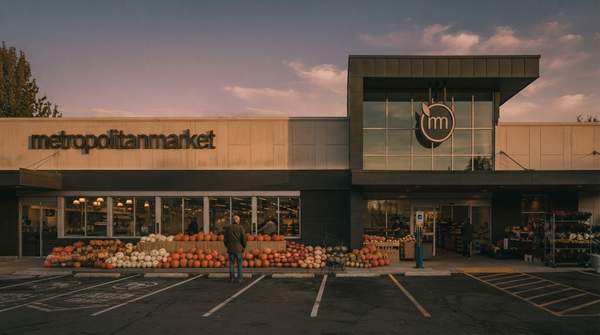
For every $100 spent at a local business, roughly $68 stays within the local economy, according to Pillur, a stark contrast to the less than $14 recirculated by chain stores, according to Pillur. Dollars spent with independent merchants actively build local prosperity, fueling jobs and community services rather than flowing out to corporate headquarters. The choice of where you spend your money has profound, measurable consequences for the health and vibrancy of your local community.
Consumers frequently opt for the perceived convenience and lower prices of national chains. Yet, local businesses offer a far more substantial and measurable return on investment for the community's economic and social well-being. These unique local businesses are defining town character in 2026, shaping our shared spaces.
Communities that actively cultivate and support their local business ecosystem are likely to experience greater economic resilience, a richer cultural identity, and a more sustainable local environment compared to those dominated by large corporate entities. This commitment to local commerce is a direct investment in the very fabric of our neighborhoods, creating a distinct sense of place.
1. The Local Economic Engine: More Than Just Transactions
Local businesses are not merely points of sale; they are critical economic multipliers, creating a ripple effect of prosperity within their communities. For example, 48 percent of each purchase at local independent businesses is recirculated locally, according to Thryv. This is a stark contrast to less than 14 percent of purchases at chain stores. While Pillur reports that for every $100 spent at a local business, roughly $68 stays within the local economy, both sources confirm a significantly higher local recirculation rate compared to national chains. This means local economies retain far more wealth. Two of every three net new jobs are also reported at small businesses, according to Pillur, demonstrating their role in employment growth. Based on Thryv and Pillur's data, communities that fail to actively promote and support their local independent businesses are effectively exporting up to 86 percent of their potential economic growth, leaving local economies stagnant while external corporations profit. Consumer decisions, often driven by perceived price or convenience, are inadvertently creating a measurable deficit in community wealth and job creation, a situation indicated by the significant discrepancy in local recirculation rates (48-68 percent for local vs. less than 14 percent for chains).

Local Independent Businesses
Best for: Community residents seeking to maximize local economic impact
These businesses recirculate a substantial portion of their revenue directly into the local economy. For every $100 spent, about $50 is recirculated locally, according to Local Cart. This supports local suppliers and creates jobs.
Strengths: High local wealth recirculation | Limitations: May not offer the lowest prices | Price: Varies by product/service
One-of-a-kind Businesses
Best for: Individuals looking for unique experiences and products
These establishments are an integral part of the distinct character of our place, according to Sustainable Connections. They offer products and services not found at national chains. Such businesses are part of what makes our city a great place to live, according to Metro Family Magazine.
Strengths: Unique offerings, strong local identity | Limitations: Limited scalability | Price: Often reflects craftsmanship or specialty
Locally Owned Businesses
Best for: Consumers who value local decision-making and community investment
For every $100 spent, approximately $50 recirculates and remains in the local economy, according to Sustainable Connections. Important decisions are made by people who live in our community and feel the impact of those decisions, according to Metro Family Magazine.
Strengths: Local accountability, direct community benefit | Limitations: Smaller inventory compared to chains | Price: Competitive, but values local sourcing
Local Eateries
Best for: Food enthusiasts and those seeking authentic dining experiences
Local eateries return nearly 79 percent of revenues to the community compared to just over 30 percent for chain restaurants, according to Metro Family Magazine. This direct economic injection strengthens local food systems.
Strengths: High local revenue return, unique menus | Limitations: May have fewer locations | Price: Varies, often mid-range to gourmet
Businesses offering unique products and services
Best for: Shoppers seeking distinctive items or specialized expertise
These businesses offer consumers unique products and services, such as handcrafted items or niche services, that are not found at national chains, according to Cumberland Business. They produce unique products and services, according to Pillur.
Strengths: Exclusivity, specialization | Limitations: Specific inventory | Price: Often reflects bespoke quality
Businesses offering handcrafted items
Best for: Patrons valuing artistry, craftsmanship, and personalized goods
These businesses offer consumers unique products and services, such as handcrafted items, that are not found at national chains, according to Cumberland Business. Each item carries a story and local touch.
Strengths: Originality, quality, personal connection | Limitations: Production volume | Price: Reflects labor and artistry
Businesses offering niche services
Best for: Individuals with specific, specialized needs not met by general providers
These businesses offer consumers unique products and services, such as niche services, that are not found at national chains, according to Cumberland Business. They fill specific gaps in the market, enhancing local convenience.
Strengths: Specialized expertise, tailored solutions | Limitations: Smaller customer base | Price: Based on specialized skill
Businesses with unique storefronts
Best for: Communities seeking aesthetic appeal and distinct visual identity
These businesses invest in familiar faces and unique storefronts that make your community special, according to Local Cart. They add color, personality, and a sense of place, according to Cumberland Business, enhancing the town's charm.
Strengths: Visual appeal, contributes to local atmosphere | Limitations: Primarily aesthetic | Price: Not applicable to storefront itself
2. Beyond the Balance Sheet: Cultivating Community Character
Local businesses are the architects of a town's distinct character, weaving a rich social fabric that generic chains cannot replicate. Small businesses offer consumers unique products and services, such as handcrafted items or locally sourced menu items, that are not found at national chains, according to Cumberland Business. These enterprises add color, personality, and a sense of place to their town. Small business owners are personally invested in their communities and involved in local government and business associations, also according to Cumberland Business. This deep engagement fosters unique experiences, civic participation, and a distinct sense of place, setting local communities apart.
| Feature | Local Independent Businesses | National Chains |
|---|---|---|
| Product/Service Uniqueness | Offer handcrafted items, niche services, or locally sourced goods not found elsewhere. | Standardized products and services, identical across all locations. |
| Contribution to Town Character | Add distinct color, personality, and a strong sense of place through unique storefronts and offerings. | Provide a consistent, often generic, aesthetic that can dilute local identity. |
| Owner Investment & Community Involvement | Owners are often residents, personally invested in local issues and active in civic groups. | Decisions are made by corporate offices far from the local community, with less direct involvement. |
| Economic Recirculation | A significant portion (48-68%) of revenue stays within the local economy, fueling growth. | Less than 14% of revenue recirculates locally, with most profits leaving the community. |
3. The Unseen Benefits: Environmental and Lifestyle Impact
Beyond economic and cultural contributions, supporting local businesses offers significant environmental and lifestyle advantages that are often overlooked. Residents of neighborhoods with more local businesses log 26 percent less automobile miles, according to Sustainable Connections. This reduction in driving directly translates to lower carbon emissions and less traffic congestion within the community. The 26 percent reduction in automobile miles reported by Sustainable Connections reveals that supporting local businesses is not just an economic or social choice, but a tangible environmental strategy that directly contributes to lower carbon emissions and healthier communities. The presence of accessible local businesses encourages more walking and cycling, fostering a more sustainable and connected community where daily needs can be met without extensive travel.
4. Your Spending Power: A Vote for Your Community
The evidence is clear: consumer choices hold immense power in shaping the future of local towns. Every dollar spent locally is a direct investment in the economic vitality, cultural richness, and environmental health of your own neighborhood. Opting for local independent businesses over national chains directly impacts job creation, wealth recirculation, and the unique character that defines a community. The significant discrepancy in local recirculation rates (48-68 percent for local vs. less than 14 percent for chains) indicates that consumer decisions, often driven by perceived price or convenience, are inadvertently creating a measurable deficit in community wealth and job creation. By choosing local, residents actively participate in building a more resilient, distinctive, and sustainable place to live, fostering a sense of pride and collective ownership. This proactive engagement will be critical for the vitality of local Main Street businesses through 2026, ensuring that independent ventures like 'The Daily Grind Coffee Shop' continue to thrive and contribute to the community's unique identity.
Common Questions About Supporting Local Businesses
How do local businesses adapt to online competition?
Local businesses often adapt by focusing on personalized customer service, unique product curation, and creating a distinct in-store experience that cannot be replicated online. Many also develop their own e-commerce platforms or participate in local online marketplaces to extend their reach while maintaining their local identity.
Are local businesses more expensive than national chains?
Prices at local businesses can vary, but they often offer competitive pricing, especially when considering the added value of unique items, personalized service, and the direct local economic benefit. While some specific items might be priced differently, the overall value to the community through taxes and job creation often outweighs minor price differences.
What specific types of local businesses contribute most to community character?
Businesses that offer highly specialized goods (like a rare book store), unique services (such as artisanal workshops), or distinct dining experiences (like a farm-to-table restaurant using regional ingredients) significantly contribute to community character. These establishments provide focal points and gathering places that reflect the unique heritage and interests of a town.