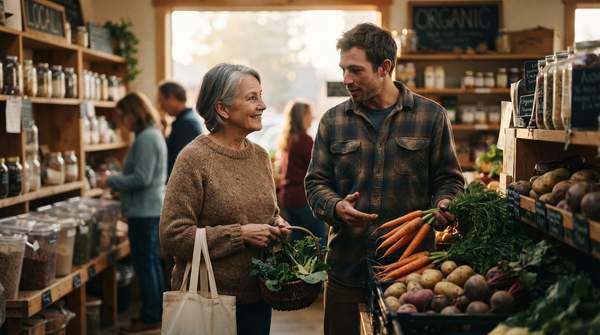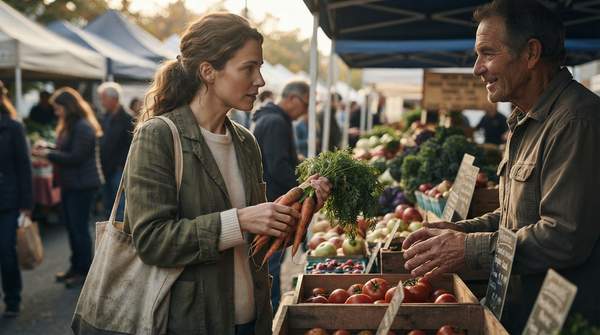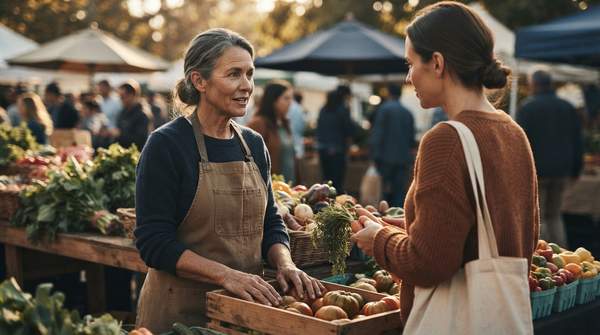
Not every farmers' market is built the same way, and the difference shows up in your shopping bag. Some markets operate under strict producer-only rules—often backed by government certification—so every vendor grew or made what they sell. Others welcome bakers, craftspeople, and food trucks alongside farmers, trading a narrower guarantee of farm authenticity for variety and a livelier community atmosphere. Understanding which model a market follows is the single best way to predict what you'll find before you go.
Understanding Farmers' Market Foundations
Behind the tents and produce tables, every market has an organizational structure that quietly shapes its character. A guide to starting new markets from the University of California, Davis describes three common models: an unofficial agreement among producers, a private for-profit or nonprofit business running the market, or public sponsorship through an overseeing body such as a city government. Sponsorship arrangements vary widely—some local service organizations stay minimally involved, simply wanting a market in their community, while public agencies may take a heavier hand in management and structure.
That structure influences a market's goals and vendor selection, but for shoppers the more consequential distinction lies in the vendor rules. The Farmers Market Coalition notes that markets implement guidelines ensuring they consist "principally of farms selling directly to the public products that the farms have produced," and that each market defines "local" according to the agriculture of its own region. Some states have established formal definitions specifying market characteristics in more detail. The number of markets in the United States has grown from just under 2,000 in 1994 to more than 8,600.