The short answer for most drivers: an independent general repair shop is usually the right call for routine maintenance and common mechanical fixes, while a specialist shop earns its keep on complex, system-specific problems and advanced diagnostics. General shops handle oil changes, brakes, batteries, tire rotations, fluid checks, and engine diagnostics as a matter of course. Shops focused on a single system or vehicle niche—transmissions, electrical diagnostics, particular makes and models—bring deeper expertise and dedicated tools to problems that can frustrate a generalist. Knowing which category your problem falls into is the single most useful filter when choosing where to book service.
Understanding Independent Auto Repair Shops: Generalist vs. Specialist
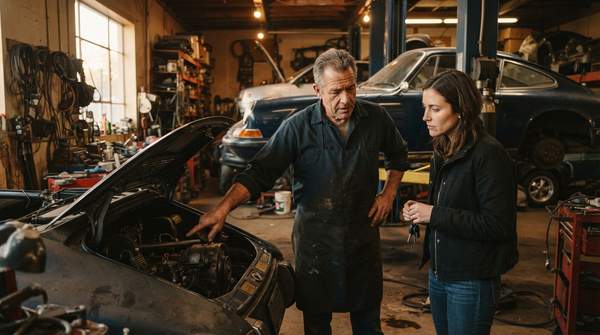
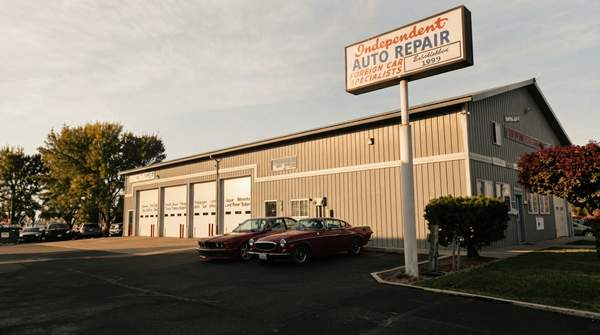
Within the independent repair world, two models dominate. General auto repair shops are versatile first stops for everyday vehicle concerns, covering routine maintenance and common mechanical repairs in one place. Specialized service centers concentrate instead on one system or repair category—transmissions, exhaust systems, electrical diagnostics, suspension work, or tire and alignment service. Some independents narrow by vehicle instead of by system, focusing on specific makes and models, or on services like electrical systems, engine performance, or classic car restoration. Both models are legitimate choices; the question is which fits the job in front of you. This article compares generalists and specialists within the independent sector—it does not weigh independents against dealerships or national chains.
Generalist Shops: Your Go-To for Routine Care and Common Repairs
For staying ahead of breakdowns, the general shop's breadth is its strength. Its typical service list includes oil changes, brake inspections and repairs, battery replacement, tire rotations, fluid checks, and engine diagnostics—work that protects long-term vehicle performance without needing any single-system depth. A generalist technician's value lies in covering a wide array of services, from basic to moderately complex tasks, so one visit can address several minor concerns at once. Some general shops also offer minor system work, such as transmission fluid changes or basic diagnostics, which makes them a reasonable choice for everyday automotive needs. That versatility is exactly why they are often a driver's first stop.
Specialist Shops: Deep Expertise for Complex and Targeted Issues
Specialists justify their narrower focus where problems demand more depth. Transmission work is the clearest example: it is complex and demands a higher level of specialized skill than most routine repairs. A transmission repair shop focuses specifically on diagnosing, repairing, maintaining, swapping, and rebuilding transmissions, and its technicians work with these systems every day, trained to recognize subtle symptoms that can be missed during a general inspection. They also have specialized tools to pinpoint internal transmission issues with accuracy. The same logic applies to independents that specialize in specific vehicle makes or models: by developing expertise in a niche, they attract customers who prefer specialized knowledge and personalized attention. For targeted or advanced vehicle issues, that depth is the point.
Key Differences in Technician Expertise and Equipment
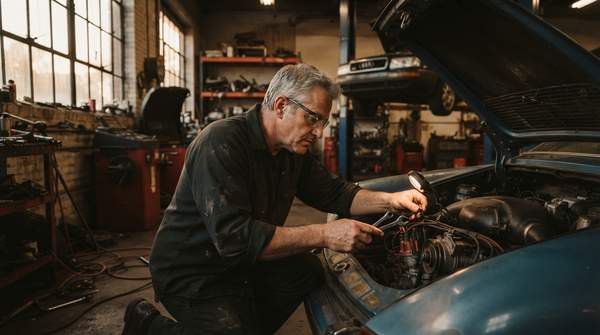
The expertise difference between the two models is partly about experience and partly about diagnostic culture. Writing on local shop advantages, Obsessed Garage notes that independent facilities are often owned or managed by master technicians with decades of experience across various makes and models, who seek ongoing education to stay current with evolving automotive technologies. The same account highlights a practical difference in method: a specialist deeply invested in their own business is more likely to perform thorough diagnostics rather than simply replacing parts until a problem disappears, addressing the root cause the first time. That analytical approach can save a vehicle owner significant time and money. Access to specialist equipment matters here too—dedicated tools that a generalist may not own or may send work out for, at added cost to the customer.
Decision Framework: Generalist vs. Specialist Auto Repair Shops
The table below categorizes common automotive issues by the type of expertise and equipment they require, then maps each to the better-fitting independent shop type. Use it as a quick triage tool: find the row that matches your situation, and read the reasoning behind the recommendation.
| Type of Service or Repair | General Shop Fit | Specialist Shop Fit | Reasoning |
|---|---|---|---|
| Routine maintenance (oil changes, tire rotations, fluid checks) | Strong fit | Not necessary | General shops handle these as part of their wide array of everyday services. |
| Common mechanical repairs (brakes, battery replacement) | Strong fit | Not necessary | These are core generalist services; no single-system depth is required. |
| Complex system repairs (transmissions, electrical diagnostics, suspension) | Limited (basic services only) | Strong fit | Specialized centers focus on these systems and bring deeper expertise. |
| Advanced diagnostics (e.g., internal transmission issues) | Weak fit | Strong fit | Transmission specialists work on these systems daily and use dedicated diagnostic tools to pinpoint internal issues accurately; general shops may offer only basic diagnostics. |
| Make/model-specific issues (e.g., a particular brand or classic car) | Variable | Strong fit | Shops specializing in certain makes or models develop niche expertise that generalists rarely match. |
| Recurring problems after prior repairs | Weak fit | Strong fit | Specialists tend to diagnose root causes thoroughly rather than replacing parts until symptoms disappear. |
Two caveats keep this framework honest. First, pricing varies significantly by location, vehicle, and shop, so this article deliberately avoids cost comparisons—the trade-off between the two shop types is about expertise and scope, not a documented price gap. Second, the framework is general guidance, not a recommendation of any particular shop. Before booking, industry guidance suggests checking credentials directly: look for ASE-certified technicians and shops with strong industry credentials, and ask what a shop actually specializes in rather than assuming.
Making Your Choice: When to Opt for a Generalist or Specialist
For routine maintenance and common repairs, a general independent auto repair shop is typically suitable. For complex, system-specific issues, or problems requiring advanced diagnostics, choosing a specialist independent shop with focused expertise and specialized tools is the better decision. The practical test afterward is concrete: observe whether your vehicle issue is resolved efficiently and accurately—particularly for complex problems. If a stubborn problem was fixed correctly the first time, with the root cause identified rather than parts swapped in sequence, the shop-type choice was likely right. If a generalist has already taken a reasonable pass at a complex system issue and the symptom persists, that is your signal to move up to a specialist rather than repeat the cycle.
Sources
- The Different Types Of Auto Repair Garages — Franks Auto Repair | Fanwood NJ
- Key Differences Between a Transmission Repair Shop & General Auto Shops — Gun Barrel Transmissions |
- \r\n \n How Local Auto Repair Shops Outperform Big Chains\n \r\n — Obsessedfab
- Steps to Thrive: Competing as an Independent Auto Repair Shop — Identifix