For most out-of-warranty cars, an independent repair shop is the sensible default: Consumer Reports found in its 2024 repair-shop survey that independent facilities deliver service that owners rate as comparable to dealership service departments at a lower price. But "independent" covers two very different businesses. Some shops work on nearly everything that rolls in; others specialize in one family of vehicles, most commonly European or Japanese makes. Which one fits your car depends on your vehicle's make, its age, and whether you need an oil change or a diagnosis of a stubborn electronic fault.
Understanding Independent Auto Repair Shops: Generalist vs. Specialist
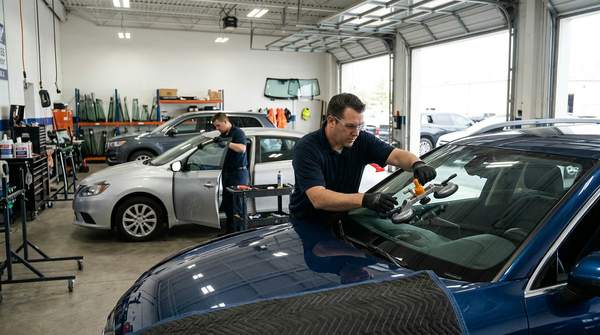
Generalist shops are the traditional independent garage: one location, many brands, and mechanics who handle a wide range of routine and moderately complex repairs. Their strength is breadth and convenience — a household with a truck, a sedan, and a crossover can service all of them in one place.
Specialist shops narrow their focus to a single category of vehicles. A Consumer Reports survey noted that some independent shops specialize in particular vehicle makes and often employ technicians with advanced, brand-specific training. That narrowing is deliberate: it lets the shop invest in tools, diagnostic equipment, and training that a jack-of-all-trades garage cannot justify for a single brand.
The Case for Specialization: European and Japanese Vehicles
The two specializations you'll most often encounter are European and Japanese. European repair specialists at shops like Euromotive Performance, writing about what separates true specialists from generalists, describe brands such as BMW, Audi, Mercedes-Benz, and Porsche as requiring technicians who train extensively on those specific makes rather than mechanics who simply "work on all cars."
Japanese makes are often assumed to need no special care because of their reliability, but TLS Motorworks, a Georgia shop specializing in Japanese vehicles, cautions that Toyota, Honda, Nissan, Subaru, Lexus, and Acura models frequently use manufacturer-specific systems, electronics, and engineering designs. A specialist in these brands, the shop argues, can provide more accurate diagnostics and maintenance tailored to those systems.
Specialized Independent Shops: Expertise, Tools, and Trade-offs
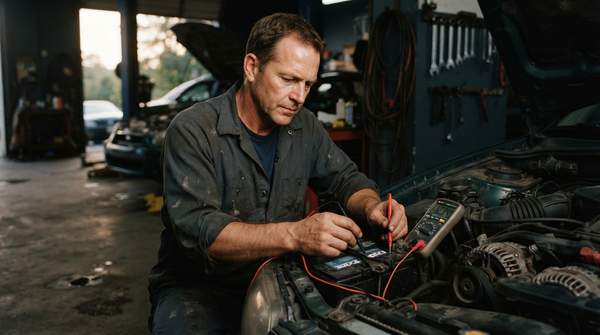
The specialist's core advantage is diagnostic depth. Independent European specialists describe using dealer-grade diagnostic systems that can access brand-specific data — information a standard OBD-II scanner cannot read — which they credit with faster and more accurate fixes. The same logic applies across the Japanese specialist world: familiarity with a brand's specific engineering means fewer guesswork repairs on complex faults.
The trade-offs are real, though. TLS Motorworks concedes that a specialist shop "may not always be the lowest upfront option compared to general repair shops," and that some specialized repairs require particular parts or procedures needing extra planning. Specialists are also limited in scope by design — a Japanese-only or European-only shop won't take your other car if it's from a different family of makes.
Notably, specialists are positioned as an alternative to dealerships, not just to generalists. Euromotive describes the model as dealer-grade diagnostics and OEM parts at competitive prices, with faster and more flexible scheduling — particularly appealing once a car is out of warranty. Consumer Reports adds that most repairs, large and small, can be handled by independents, with only esoteric jobs truly requiring a dealership.
Generalist Independent Shops: Practicality, Cost, and Limitations
For routine work, the generalist is hard to beat. TLS Motorworks' own comparison lists general service as the cost-effective option for basic maintenance — oil changes, tire rotations, and simple repairs — and as suitable for older vehicles with fewer specialized system requirements. Convenience matters too: one shop handling multiple brands keeps a mixed household's service in one place.
The limitation is the mirror image of that flexibility. The same shop's comparison warns that general shops may lack the specialized tools and diagnostic equipment designed for a specific brand's vehicles, and that technicians unfamiliar with brand-specific engineering can deliver "less precise repairs." That risk grows as vehicles become newer and more technologically advanced, since modern electronic systems are where brand-specific diagnostic access matters most.
Decision Framework: Specialized vs. Generalist Independent Auto Repair Shops
Match your situation against these four factors, drawn from specialist shops' own comparisons and Consumer Reports' reporting:
| Factor | Generalist Independent Shop | Specialized Independent Shop |
|---|---|---|
| Best for | Basic maintenance, simple repairs, and older vehicles with fewer specialized system requirements | Modern European or Japanese vehicles with brand-specific engineering, electronics, and complex diagnostics |
| Expertise and tools | Broad but general skills; may lack brand-specific tools and diagnostic equipment | Dealer-grade diagnostics accessing brand-specific data; technicians trained extensively on specific makes |
| Typical cost structure | Usually the lower upfront option for routine service | May cost more for basic maintenance, but competitive versus dealerships for complex work |
| Potential downsides | Risk of less precise repairs or misdiagnosis on brand-specific issues | Limited to one vehicle family; some repairs need special parts and extra planning |
Read the table by pairing vehicle and job. Routine maintenance on an older, less complex car points toward the generalist column: the specialist's brand-specific equipment adds nothing an oil change needs. A late-model German or Japanese car with an intermittent electronic fault points the other way, toward the specialist's brand-specific diagnostics — or, for the most esoteric jobs, the dealership.
Making Your Choice: A Practical Conclusion
The decision comes down to this: choose a specialized independent shop for complex diagnostics and repairs on modern European or Japanese vehicles, and a generalist independent shop for routine maintenance or simple repairs on older, less complex vehicles. Consumer Reports' finding that independents match dealership quality at lower prices holds for both — specialization is about fit, not overall superiority.
Before booking, weigh three things: the vehicle's repair history, the complexity of the current issue, and the availability of specialized tools and expertise at the shop you're considering. If a shop has repeatedly and accurately handled your make's known problem areas, that track record — more than any label on the door — is the best predictor of a correct repair the first time.